 Khushi RawatUpdated 13 Oct 2026 05:18 PM IST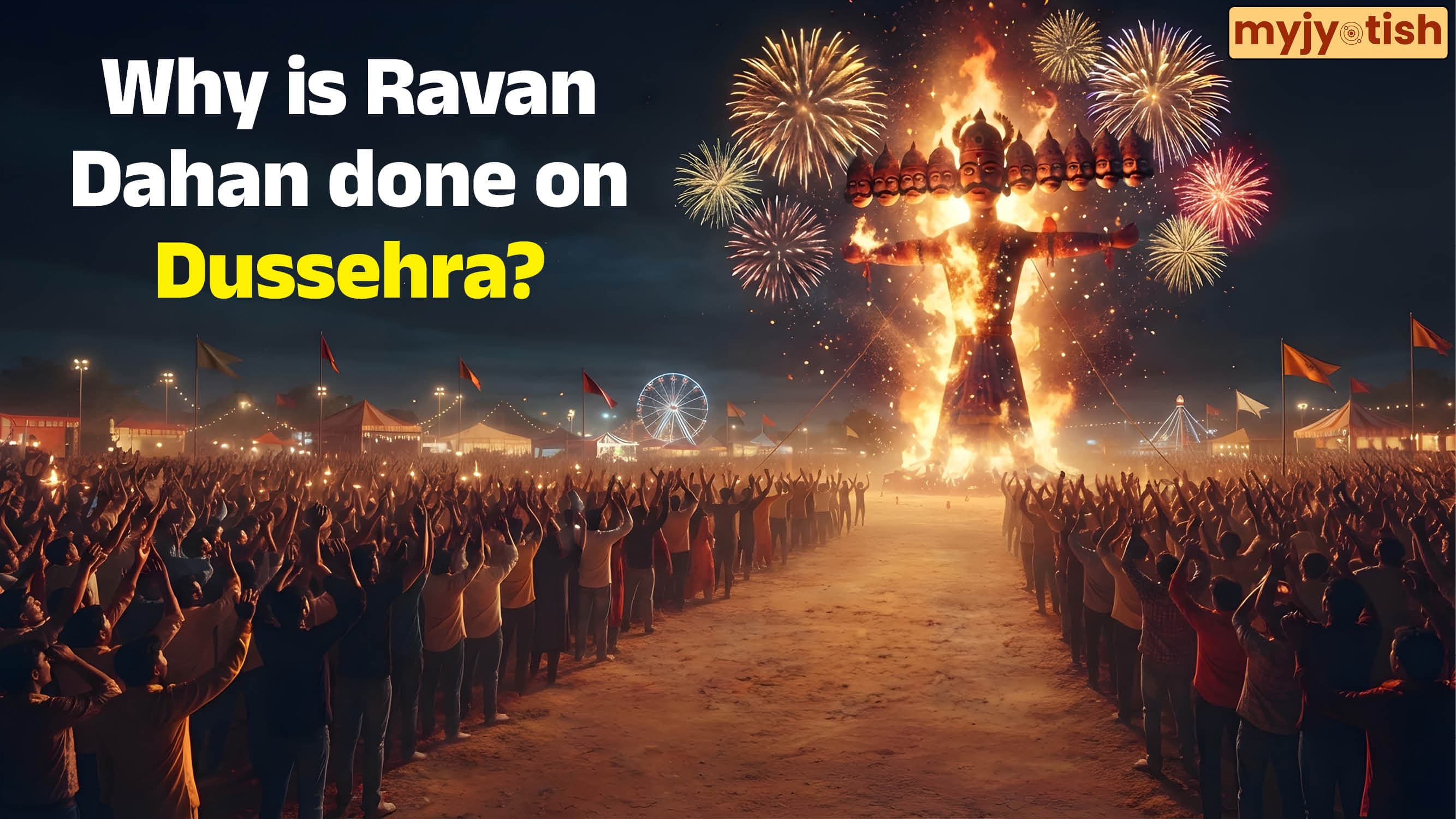
In Sanatan Dharm, Dussehra has a special place among all the major festivals. The festival of Dussehra symbolises the victory of good over evil. This festival is celebrated on Dashami Tithi of Shukla Paksha of Ashwin month. On this day, big fairs are organized across the country and tall effigies (putle) of Ravana, Kumbhakarna, and Meghnad are burnt. In this article, we will tell you why the effigy (putle) of Ravana is burnt every year on the day of Dussehra. Know the mythological story behind it?
End of ego and pride: Ravan had immense power, immense wealth, and knowledge of 6 scriptures, but he was very proud of his power. Ravan Dahan teaches us that no matter how big the ego is, its destruction is always certain.
Victory of good over evil: This festival is an example of the fact that no matter how strong the path of unrighteousness and sin seems, in the end truth, religion, and justice always win.
End of inner Ravan: Ravana's 10 heads are symbols of lust, anger, greed, attachment, pride, jealousy, selfishness, injustice, and ego, and on this day, along with burning Ravan from outside, one should also try to eliminate these 10 evils from themselves.
Connect with India's best astrologers